Living in Hanoi for 6 months: an expat story (long stay at Ping Hotel)
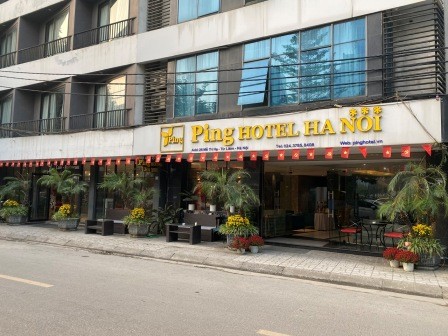
Six months in Hanoi sounds like a life decision. For me it started simply: a work project that kept extending, meetings around the Keangnam area, and one practical question: where can I stay so I can both live well and work well?
I chose a long stay at Ping Hotel (Me Tri area). Not for “luxury,” but for something more valuable in long-term living: stability. When you live in a new city for half a year, stability becomes the foundation for everything else—work, language learning, routines, and eventually, belonging.
Quick verdict: is living in Hanoi long-term worth it?
- Worth it if you’re willing to learn a new rhythm: busy, fast, but very real.
- Worth it if you have a stable base for deep sleep, focus, and recovery.
- Not for people who expect instant perfection: the first 2–3 weeks are adaptation.
Month 1: I chose Ping Hotel because geography matters
In Hanoi, geography determines quality of life. My work was around Keangnam, so staying close saved time and stress. Ping Hotel is about 800m from Keangnam Landmark 72—some days I walked to reset my head, other days I rode for speed.
Lesson: Long-term living isn’t about the “prettiest” place. It’s about the place that helps you stay sustainable.
Month 2: I learned the value of sleep
I used to treat sleep like a negotiable item. In Hanoi, poor sleep multiplies fatigue—noise, traffic, work pace. I got serious: earlier nights, lighter dinners, and treating my room as recovery space.
Lesson: You don’t “win” a city by moving more. You win by managing energy.
Month 3: Remote work in a busy city—learning to “close the door”
Hanoi constantly invites you outside: food, cafés, streets. Without discipline, you drift. I set a rule: mornings for deep work, afternoons for meetings, evenings for living.
Tip: Keep 20–40 minutes of buffer time for appointments. Traffic isn’t an accident—it’s part of the system.
Month 4: I ate like a local (a little)
At first I chose “safe” meals: hot dishes, busy places, moderate portions. Over time, I learned Hanoi’s eating rhythm: quick lunches for work, slower dinners for conversation. I also learned: street food isn’t scary if you choose wisely.
Lesson: Eating well keeps you healthy. Health keeps you able to enjoy the city.
Month 5: Vietnamese doesn’t need to be perfect—just useful
I didn’t try to sound like a native. I learned small phrases that make daily life easier: greetings, thank you, prices, “not spicy.” Strangely, that small effort makes Hanoi feel warmer.
Month 6: Hanoi became my temporary home
By month six, Hanoi stopped being an itinerary. I had habits: a familiar café, a familiar street, a familiar walking hour. I realized long-term living isn’t “doing more.” It’s having a rhythm.
10 tips for living in Hanoi long-term (what I actually use)
- Choose your base by work geography.
- Schedule sleep like meetings.
- Backup internet (eSIM/4G).
- Light lunch, rewarding dinner.
- Walk when possible: health + street understanding.
- Stop the “one attraction per day” mindset: you’re living, not sprinting.
- Keep buffer time for commutes.
- Learn a few Vietnamese phrases that solve real problems.
- Keep one quiet day each week for recovery.
- Choose a tidy, stable stay so you can focus on work and life.
Why Ping Hotel worked for a long stay (for me)
For me, a long stay at Ping Hotel worked because it matched practical needs: convenient location around Keangnam–Me Tri, a clear “base” to return to, and a tidy staying rhythm that reduced small daily friction.
If you’re in Hanoi for long-term work, the goal isn’t “everything available.” The goal is everything stable—so you can stay sharp across weeks.
Closing thought: six months made me understand Hanoi in a human way
I came to Hanoi for work, but stayed for people and rhythm. Six months didn’t turn me into a Hanoian, but it made me calmer: less rushed, more selective, more grateful for small things. If you’re considering long-term living in Hanoi, go—but bring a stable base so you always have a place to return to.
Related reading
Frequently asked questions (FAQ)
Is living in Hanoi for 6 months difficult?
Not too difficult if you have a stable base and give yourself 2–3 weeks to adapt to traffic, pace, and weather.
Which area should I choose for long-term stay?
Choose based on work geography. If you work around Keangnam–Me Tri, staying nearby saves time and commuting stress.
Is a long hotel stay reasonable?
Yes if you value stability, clear services, and fewer surprises—especially when you’re new to the city.
How do I avoid burnout living in Hanoi?
Protect sleep, keep lunches light, build buffer time for commuting, and keep one quiet day per week.
What do I need for remote work in Hanoi?
Backup internet (eSIM/4G), clear working hours, and a quiet space to focus.
Why might Ping Hotel fit long stays?
Convenient location near Keangnam–Me Tri and a tidy base that helps you focus on work and daily life.
Share This Article
Book Ping Hanoi Hotel
- Phone: (84.4) 3 7858408 / 3 7858409
- Hotline: 0904.77.14.26
- Email: sales@pinghotel.vn
- Address: 26 Me Tri Ha Street, Nam Tu Liem District, Hanoi
- Location tip: About 800m from Keangnam Landmark 72 (walkable).
- Book online at pinghotel.vn


