North vs South Vietnam travel: practical differences in experience
North vs South Vietnam travel: practical differences in experience is written as a practical decision guide—fast choices, clear checks, and fewer surprises in Hanoi.
Prices, policies, and availability change over time. Use this as a framework and confirm critical details before committing.
At the end you’ll find an apply-it-now checklist and short FAQs.
Quick summary
- North: layered culture/history and clearer seasonal shifts.
- South: faster rhythm and modern city energy.
- Differences: food profiles, pace, and logistics.
- Choose by: culture vs energy and time available.
- Tip: with limited time, pick one region as a base.
Core difference: travel rhythm
- North: cultural depth and seasonal feel.
- South: energetic pace and modern service variety.
Pick based on your travel goals.
Food and daily habit differences
- Northern flavors can feel lighter/seasonal; Southern flavors can feel bolder/sweeter in some dishes.
- Start gently and expand variety based on tolerance.
Logistics and itinerary design
- Short trips: one base city saves time.
- Longer trips: combining regions is possible but adds a major transfer.
- Business: stay close to meetings—commute time is the real cost.
Suggested scenarios by days
- 3–4 days: one region, go deeper.
- 6–8 days: combine with one major transfer.
- 10+ days: combine more but cluster plans.
A practical base in Hanoi
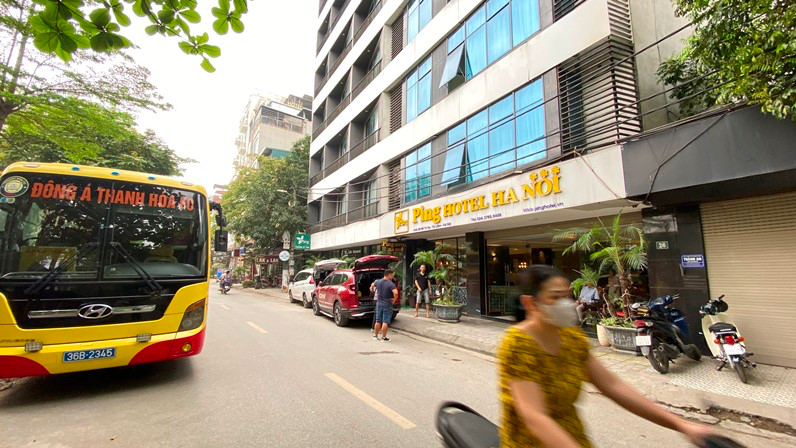
- If your plan is concentrated in West Hanoi (Me Tri – My Dinh – Cau Giay), Ping Hanoi Hotel can be a practical base for day-to-day movement.
- Ping Hanoi Hotel is at 26 Me Tri Ha, Nam Tu Liem, Hanoi; Keangnam Landmark 72 is about 800m away (walkable).
- For packed itineraries, confirm key needs early (arrival timing, invoices, special requests) to reduce friction.
Safety and time-saving notes
- Pin your hotel and key stops on maps; keep screenshot backups.
- Add 20–40 minutes buffer between stops to protect your schedule.
- Carry only daily cash; keep important documents secure with backups.
- Weather can shift—keep an indoor fallback for rain or heat.
Tips 1: apply-it-now checklist
This add-on helps you execute “North vs South Vietnam travel: practical differences in experience” with less friction when plans change.
- Confirm key details before deciding (location, policies, hours, costs).
- Plan by area clusters and add 20–40 minutes buffer.
- Keep a fallback plan for rain/heat or schedule shifts.
- Store document backups and support contacts on your phone.
Tips 2: apply-it-now checklist
This add-on helps you execute “North vs South Vietnam travel: practical differences in experience” with less friction when plans change.
- Confirm key details before deciding (location, policies, hours, costs).
- Plan by area clusters and add 20–40 minutes buffer.
- Keep a fallback plan for rain/heat or schedule shifts.
- Store document backups and support contacts on your phone.
Tips 3: apply-it-now checklist
This add-on helps you execute “North vs South Vietnam travel: practical differences in experience” with less friction when plans change.
- Confirm key details before deciding (location, policies, hours, costs).
- Plan by area clusters and add 20–40 minutes buffer.
- Keep a fallback plan for rain/heat or schedule shifts.
- Store document backups and support contacts on your phone.
Tips 4: apply-it-now checklist
This add-on helps you execute “North vs South Vietnam travel: practical differences in experience” with less friction when plans change.
- Confirm key details before deciding (location, policies, hours, costs).
- Plan by area clusters and add 20–40 minutes buffer.
- Keep a fallback plan for rain/heat or schedule shifts.
- Store document backups and support contacts on your phone.
Tips 5: apply-it-now checklist
This add-on helps you execute “North vs South Vietnam travel: practical differences in experience” with less friction when plans change.
- Confirm key details before deciding (location, policies, hours, costs).
- Plan by area clusters and add 20–40 minutes buffer.
- Keep a fallback plan for rain/heat or schedule shifts.
- Store document backups and support contacts on your phone.
Related reading
Frequently asked questions (FAQ)
Which region for first-time visitors?
North for culture/history; South for fast city energy—based on preference.
Only 4 days—what should I do?
Pick one region as your base.
Biggest difference?
Rhythm, culture layering, and seasonal feel.
Should I combine both?
Yes with enough time and willingness to transfer.
How to avoid fatigue?
Cluster plans and keep buffer time.
Share This Article
Book Ping Hanoi Hotel
Phone: (84.4) 3 7858408 / 3 7858409
Hotline: 0904.77.14.26
Email: sales@pinghotel.vn
Address: 26 Me Tri Ha, Nam Tu Liem, Hanoi
Location note: About 800m from Keangnam Landmark 72 (walkable).


