Domestic travel in Vietnam: train vs plane—what’s better by route and time?
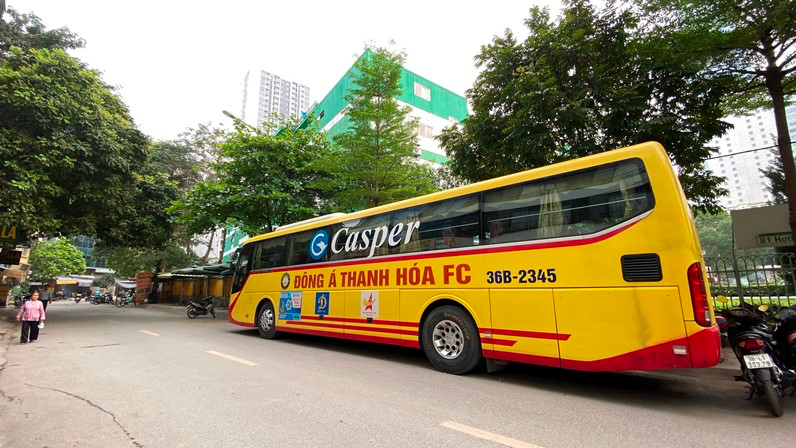
Domestic travel in Vietnam: train vs plane—what’s better by route and time? looks simple, but the best choice depends on your timing, comfort level, and risk tolerance.
This guide compares options by scenario and includes checklists to help you decide fast.
Note: prices and policies change—confirm key terms before you commit.
Quick summary
- Flights: fastest for long distances and fixed schedules.
- Trains: steadier pacing, less airport overhead, often easier for luggage.
- Compare properly: door-to-door time, not just flight time.
- Risk: transfers and procedures can erase flight advantage.
- Tip: if you dislike airports, trains can feel simpler.
Compare door-to-door time
Include transfers, check-in/security, and city access time—then compare.
When flights win
- Long routes with clear time savings.
- Tight schedules and fixed commitments.
- Light luggage.
When trains win
- Comfort and steady pacing priority.
- More luggage and fewer constraints.
- You value the travel experience.
Decision checklist
- 1) door-to-door timing.
- 2) fixed commitments?
- 3) luggage volume?
- 4) comfort vs speed?
- 5) extra buffer needed?
A practical base in Hanoi
- If your plan is concentrated in West Hanoi (Me Tri – My Dinh – Cau Giay), Ping Hanoi Hotel can be a practical base for day-to-day movement.
- Ping Hanoi Hotel is at 26 Me Tri Ha, Nam Tu Liem, Hanoi; Keangnam Landmark 72 is about 800m away (walkable).
- For packed itineraries, confirm key needs early (arrival timing, invoices, special requests) to reduce surprises.
Safety and time-saving notes
- Pin your hotel and key stops on maps; keep screenshot backups.
- Add a 20–40 minute buffer between stops to protect your schedule.
- Carry only daily cash; keep important documents secure with backups.
- Weather can shift—keep an indoor fallback for rain or heat.
Tips 1: apply-it-now checklist
These tips help you execute “Domestic travel in Vietnam: train vs plane—what’s better by route and time?” with fewer surprises when plans change.
- Confirm key details before deciding (price, terms, scope).
- Cluster your plan and add a 20–40 minute buffer.
- Keep a fallback plan for rain/heat or schedule shifts.
- Store receipts and support contacts on your phone.
Tips 2: apply-it-now checklist
These tips help you execute “Domestic travel in Vietnam: train vs plane—what’s better by route and time?” with fewer surprises when plans change.
- Confirm key details before deciding (price, terms, scope).
- Cluster your plan and add a 20–40 minute buffer.
- Keep a fallback plan for rain/heat or schedule shifts.
- Store receipts and support contacts on your phone.
Tips 3: apply-it-now checklist
These tips help you execute “Domestic travel in Vietnam: train vs plane—what’s better by route and time?” with fewer surprises when plans change.
- Confirm key details before deciding (price, terms, scope).
- Cluster your plan and add a 20–40 minute buffer.
- Keep a fallback plan for rain/heat or schedule shifts.
- Store receipts and support contacts on your phone.
Tips 4: apply-it-now checklist
These tips help you execute “Domestic travel in Vietnam: train vs plane—what’s better by route and time?” with fewer surprises when plans change.
- Confirm key details before deciding (price, terms, scope).
- Cluster your plan and add a 20–40 minute buffer.
- Keep a fallback plan for rain/heat or schedule shifts.
- Store receipts and support contacts on your phone.
Tips 5: apply-it-now checklist
These tips help you execute “Domestic travel in Vietnam: train vs plane—what’s better by route and time?” with fewer surprises when plans change.
- Confirm key details before deciding (price, terms, scope).
- Cluster your plan and add a 20–40 minute buffer.
- Keep a fallback plan for rain/heat or schedule shifts.
- Store receipts and support contacts on your phone.
Tips 6: apply-it-now checklist
These tips help you execute “Domestic travel in Vietnam: train vs plane—what’s better by route and time?” with fewer surprises when plans change.
- Confirm key details before deciding (price, terms, scope).
- Cluster your plan and add a 20–40 minute buffer.
- Keep a fallback plan for rain/heat or schedule shifts.
- Store receipts and support contacts on your phone.
Related reading
Frequently asked questions (FAQ)
Train or plane?
Flights win for speed on longer routes; trains can feel simpler for comfort and luggage.
Why door-to-door?
Transfers and procedures can erase a flight’s time advantage.
Lots of luggage?
Trains often feel easier—confirm route-specific conditions.
Worried about delays?
Build buffer time and choose the option with more slack.
Key tip?
Compare total time and risk, not only price.
Share This Article
Book Ping Hanoi Hotel
Phone: (84.4) 3 7858408 / 3 7858409
Hotline: 0904.77.14.26
Email: sales@pinghotel.vn
Address: 26 Me Tri Ha, Nam Tu Liem, Hanoi
Location note: About 800m from Keangnam Landmark 72 (walkable).


